
- July 11, 2026
- Posted by: admin
- Categories: Copyright, Entertainment Law, Intellectual Property, Trademarks
1. Introduction: The New Viral Disruption
I love intelligent lyrics and how an artist can depict emotions in the midst of chaos, and it just goes by because the last thing we want is for someone to feel sorry for us. Little wonder I enjoyed Stromae’s “Papaoutai” when I listened to it, and even had it on repeat for some time. So when I heard a more emotionally charged version of the song, I was a bit confused, especially when it did not come from the same artist. However, since we are in the era of musical covers, my confusion ceased until I noticed its popularity soared well beyond its foundational tune. This is the story of a hit song and its hit imitation nemesis.
In January 2026, a track called “Papaoutai (Afro Soul)”, an AI-generated reboot of Stromae’s 2013 classic, rocketed onto the Global Spotify charts, racked up nearly 80 million streams, and powered a TikTok sound used in over 235,000 posts! Its viral momentum was supercharged by Congolese-Russian singer Arsène Mukendi, whose face became attached to the track in countless videos before he clarified, almost apologetically, that the vocals were never his; they were AI.
Little background: Stromae wrote it about his absent father, Pierre Rutare, killed in the Rwandan genocide. Watching an algorithm ventriloquise that grief, however technically legal (France’s SACEM confirmed the melody and lyrics were untouched, so royalties would flow to Stromae), struck millions as a moral violation dressed up as a cover version.
Nigeria has its own version of this reckoning. In 2025, a project called Choir Refix, created by vocal designer Olamide “Emanvee” Ajayi, released an eight-track AI album of gospel-choir reworkings of hits by Asake, Wizkid, Sarz, Omah Lay, and Olamide, among others. By early 2026, it was at No. 43 on Nigeria’s Official Top 100 Albums chart, with over 834,000 on-demand streams. There are no records to show that the featured artists licensed their compositions, voices, or brands for the project.
Two continents, one pattern: AI systems ingest an artist’s most identifiable creative output and return something that streams, monetises, and often outperforms the original, without consent, compensation, or, in many cases, legal clarity about who, if anyone, owns the result.
2. The 1990s Analogy: History Repeating Itself
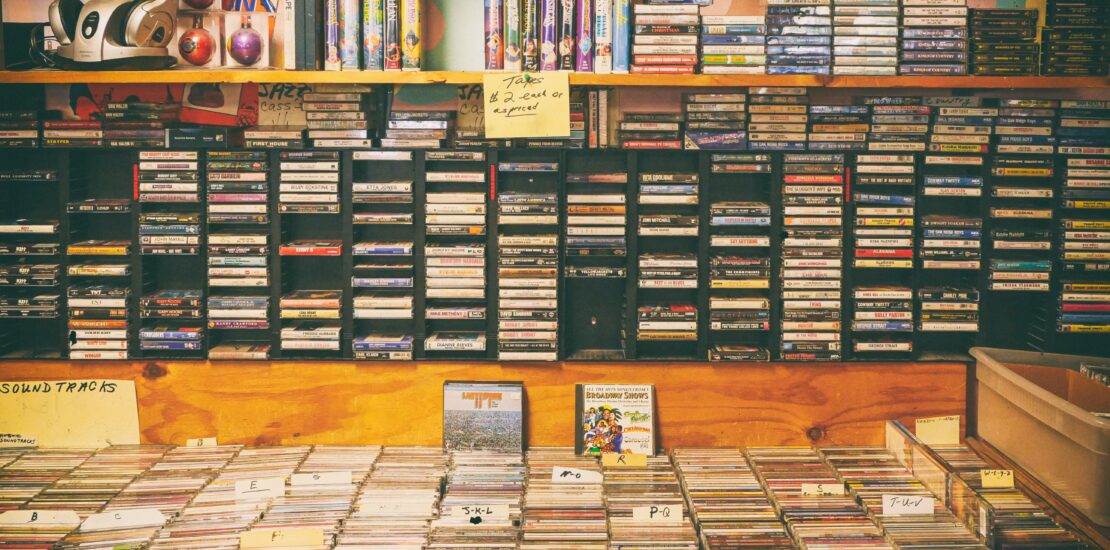
Nigerians of a certain age will recognise the shape of this problem, even if the technology is unrecognisable. In the 1990s, Lagos’s Alaba International Market became the epicentre of a cassette and compact disc ‘CD’ dubbing economy that could reproduce and distribute an artist’s entire catalogue within days of release, with no royalty flowing back to the rights owner. It was, in its way, a democratisation of infringement: cheap duplication technology let anyone with a dubbing machine bypass the economic rightsholder and turn creative work into free raw material for a parallel market.
It is safe to say that AI-generated covers are Alaba’s twenty-first-century descendant, but the object of theft has shifted. The 90s bootlegger copied a tangible carrier, the physical cassette or disc embodying someone else’s fixed performance. The infringement was mechanical, and the harm was economic: lost sales of an existing, identifiable product. Generative AI needs no physical copy at all. It trains on an artist’s voice, phrasing, ad-libs, and stylistic signature until it can manufacture new performances nobody actually gave. This is not the duplication of a product; it is the synthesis of an identity. Where Alaba stole units, algorithmic cloning steals the very thing that made an artist marketable in the first place: their voice, their affect, their brand, and can go on manufacturing infinite “new” infringing works long after any single track has been taken down.
3. The Legal Battleground: Infringement vs. Ownership
The Split Ownership Problem
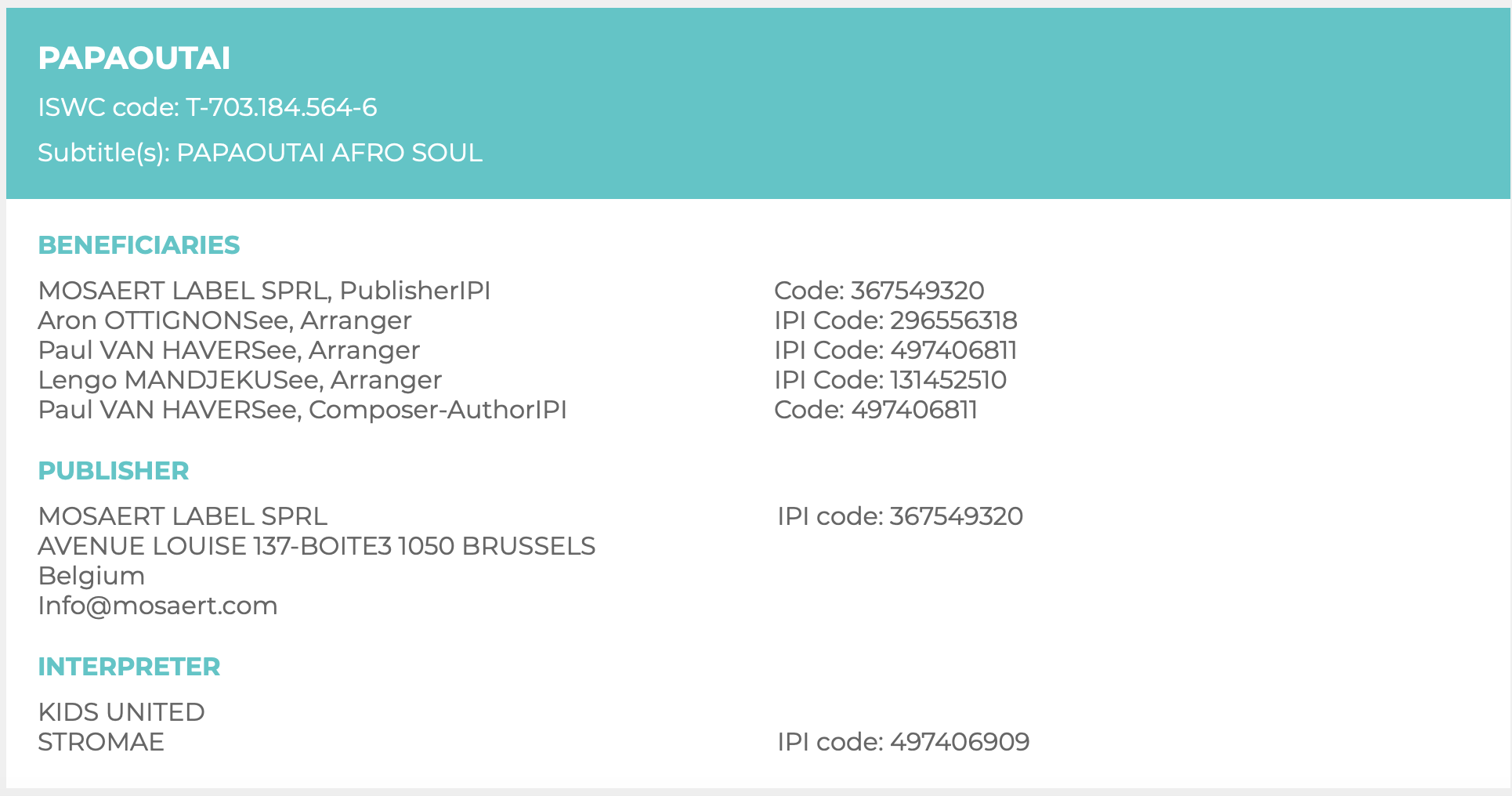
Music copyright has always had a dual structure that most listeners never think about. A recording carries the sound recording (master) rights, typically owned by a record label or performing artist, protecting the specific fixed performance. Layered on top is the composition (publishing) right, owned by the songwriter(s) and their publisher, protecting the underlying lyrics and melody regardless of who performs them.
AI covers exploit the seam between these two rights. Because tools like the Papaoutai cover keep the composition intact, same melody, same lyrics, the underlying song is technically not infringed in a way that composition owners lose out on; SACEM can route royalties back to Stromae precisely because the composition right is respected. But the master right is a different story: an entirely new sound recording has been fixed, using synthesised vocals that mimic a voice or an ensemble sound nobody licensed. Article 12 of the Berne Convention gives authors the exclusive right to authorise “adaptations, arrangements and other alterations” of their works, a right that an AI arrangement plainly implicates. Where the AI system does not merely arrange the composition but is trained on a specific target artist’s timbre, as with unauthorised Retrieval-based Voice Conversion (RVC) tools, it strays from lawful adaptation into unauthorised exploitation of a performer’s identity that composition licensing alone cannot cure.
The Human Authorship Barrier
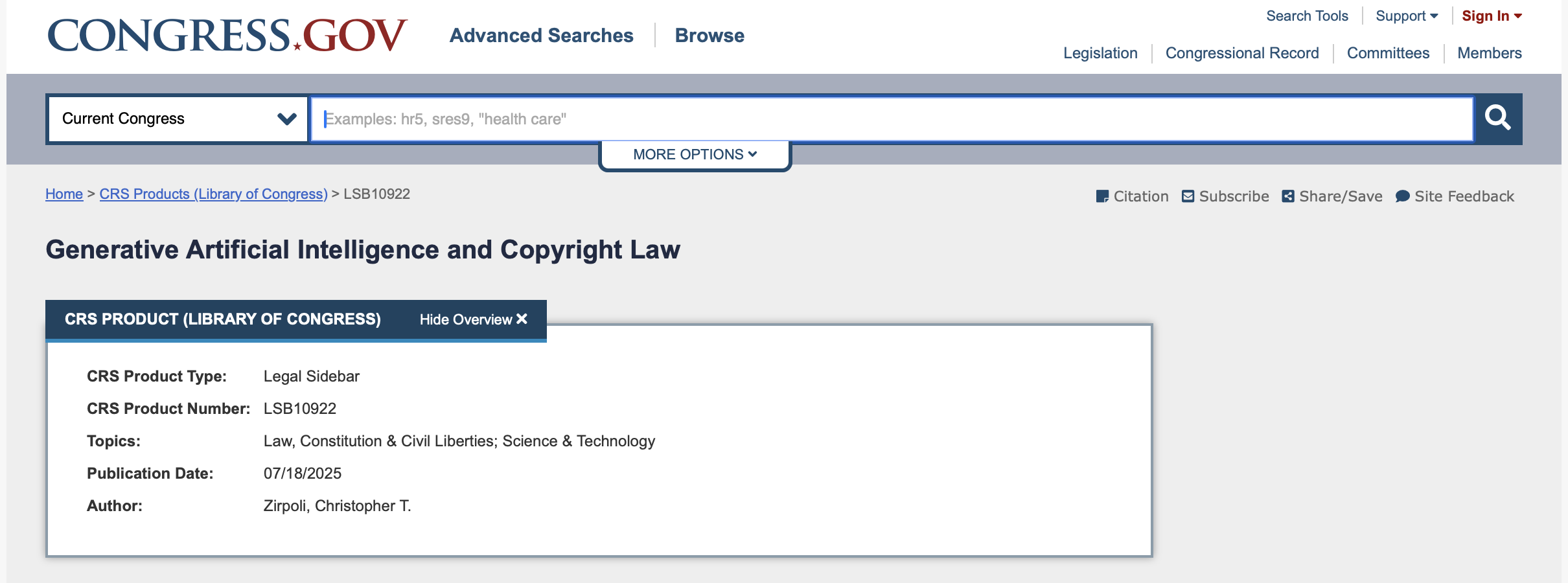
Even where infringement is clear, ownership of the AI output itself is murkier. Nigeria’s Copyright Act 2022 defines protectable works as original creations of an author’s intellect and, notably, excludes machines from the definition of “author” (other than corporate authorship). The U.S. Copyright Office reached a comparable conclusion in its January 2025 report on AI and copyrightability: purely AI-generated expressive content, including music, cannot be registered because prompts alone do not give a human sufficient creative control over the output.
The result is a genuine paradox. A track like Choir Refix can climb a national albums chart, generate real streaming revenue, and dominate playlists, while the specific AI-rendered vocal performance sits in an unprotected legal vacuum, ownable by no one. The underlying compositions remain protected (and infringed); the synthetic performance layered on top is legally an orphan, simultaneously commercially valuable and doctrinally unprotectable.
4. Legal Defences & Grey Areas
Some rights-management infrastructure is adapting faster than legislatures. Collection societies like SACEM have effectively created a working defence: treat an AI track as a technical “cover” wherever the melody and lyrics are unaltered, and route mechanical and performance royalties to the original composition’s rightsholders as though a human artist had recorded it. That framework, however, was built for human cover versions, and it quietly assumes the vocal performance itself carries no independent, licensable value.
That assumption collapses the moment voice cloning enters the picture. RVC and similar tools do not merely perform a song in a generic voice; they are trained to reproduce a specific artist’s timbre, vocal runs, and ad-lib style, commercially exploiting the artist’s personal brand without any licence for the voice itself. Nigerian entertainment lawyer Lola Oyedele has argued that AI covers replicating an artist’s voice or lyrics constitute derivative works requiring both a Master Use Licence and a Composition Licence, a position squarely at odds with how projects like Choir Refix and the Papaoutaicover were actually released. The gap between “technically a legal cover” and “an unlicensed clone of a living artist’s identity” is precisely where today’s grey area lives.
5. Concrete Legal Solutions & The Way Forward
Closing this gap requires more than case-by-case litigation. A multi-layered framework is needed to keep human creatives from being drowned out by algorithmic “slop”:
-
Compulsory licensing for AI datasets:
Legislators should mandate that AI developers clear text-and-data-mining rights and pay licensing fees before training models on copyrighted music catalogues, closing the loophole that opt-out regimes such as the EU’s DSM Directive leave open for rightsholders who never learn their catalogue was scraped.
-
Codifying a right of publicity in Nigeria:
Nigerian law currently offers artists only a patchwork of trademark, passing-off, and data-protection remedies to protect their name, voice, and likeness. A standalone right of publicity, explicitly covering vocal affect and voice-model cloning, would give artists a direct cause of action against unauthorised voice cloning that copyright law alone cannot reach.
-
Legislative reform of the Copyright Act:
The Act should be amended to distinguish “AI-assisted” works, where meaningful human creative control exists and copyright can vest, from “AI-generated” works, which remain unprotected, giving courts, collection societies, and platforms a workable statutory test instead of ad hoc guidance.
-
Platform accountability and tiered royalties:
Streaming platforms should be required to deploy content-recognition filters capable of flagging AI vocal cloning, and to adopt tiered royalty structures that pay purely AI-generated tracks materially less than human-performed work, starving the incentive that makes unlicensed cloning profitable in the first place.
Conclusion
The Alaba dubbers of the 1990s were eventually curtailed by better enforcement and changing market economics, not by legislation alone. AI cloning will likely require both sharper statutes and smarter platforms working in tandem. Until then, the gap between what technology can clone and what the law can protect will keep widening, and it is artists’ identities, not just their income, that stand to be lost in it.